
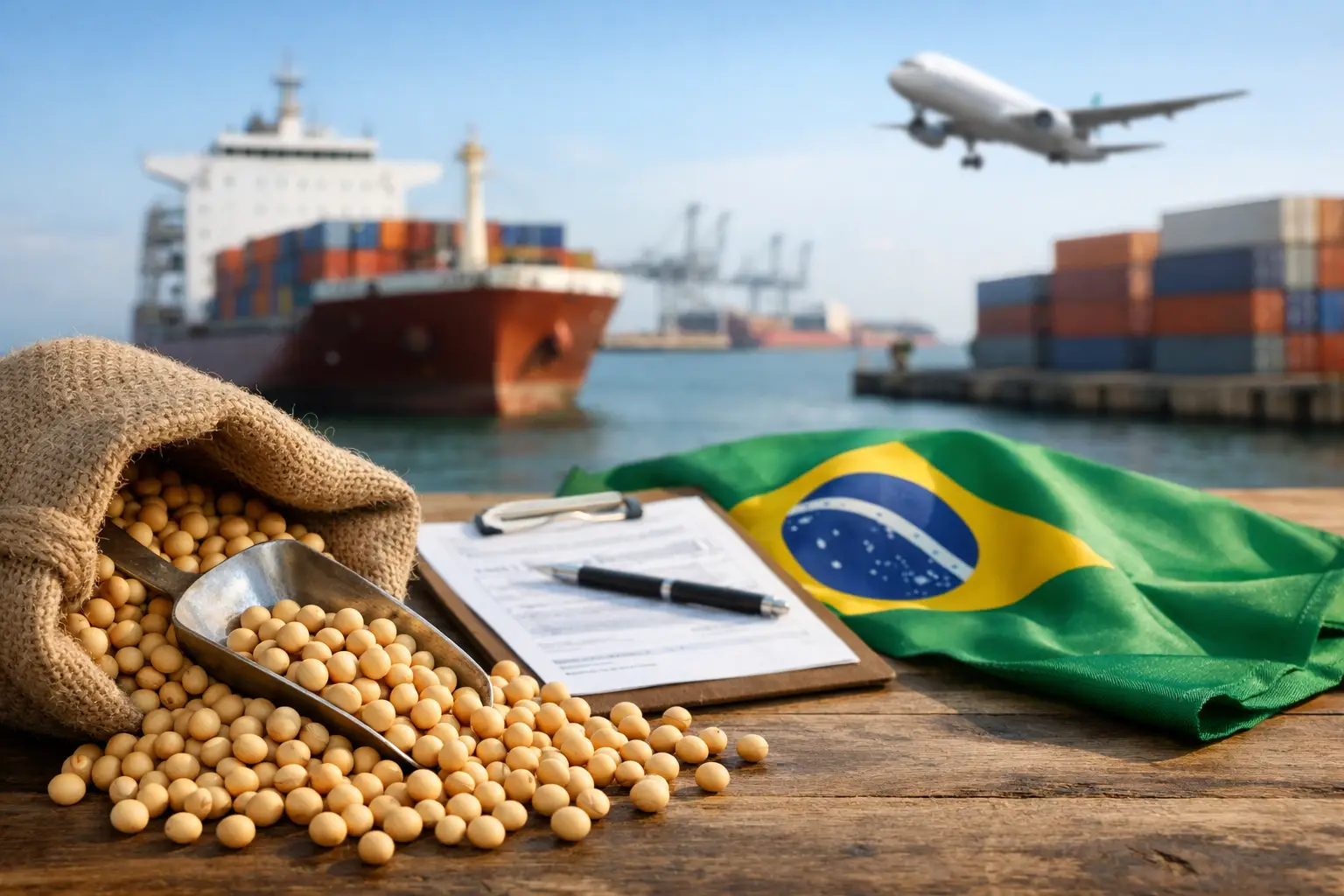
A delayed soybean shipment can disrupt a feed mill, processing plant, trading program, or distribution schedule long after the purchase order is signed. Knowing how to import Brazilian soybeans means managing more than price per metric ton. The buyer must align product specifications, supplier capability, destination-country rules, vessel timing, documentation, and cargo quality before the shipment leaves Brazil.
Brazil is a major global soybean origin, with established export infrastructure and access to high-volume production. That scale creates opportunity for commercial buyers, but it also requires disciplined procurement. A low offer is not a competitive purchase if the contract leaves quality tolerances unclear, documents arrive late, or freight costs erase the expected margin.
Define the Soybean Purchase Before You Request Quotes
Start with a written procurement specification. This becomes the basis for comparing suppliers and avoids receiving offers that look similar but cover different grades, delivery terms, or quality assumptions. State whether you require conventional, non-GMO, food-grade, feed-grade, or processing-grade Brazilian soybeans. If non-GMO status, traceability, sustainability documentation, or segregated handling is required in your market, identify it at the beginning rather than after a supplier has allocated cargo.
Your specification should also cover the commercial details that affect landed cost: required volume, shipment period, discharge port, packaging or bulk loading preference, and the Incoterm you want quoted. For bulk commodity movements, buyers often compare FOB Brazilian port and CFR or CIF destination port offers. The right term depends on whether your team has freight-buying strength and how much control you need over the voyage.
Quality criteria should be measurable. Typical requirements may include moisture, protein, oil content, foreign material, damaged kernels, heat damage, green beans, and pesticide-residue requirements where applicable. Do not copy a generic specification without checking whether it supports your actual end use. A crusher, food manufacturer, animal-feed producer, and commodity distributor can value different characteristics.
How to Import Brazilian Soybeans From a Verified Exporter
Supplier verification is where a dependable import program begins. Request evidence that the exporter can source the stated volume, load at the proposed port, and manage the export documentation for your destination. A credible supplier should communicate clearly about crop availability, port options, shipment windows, quality controls, and any limits on certification or traceability.
Review the legal entity details, export experience, banking information, and references appropriate to the transaction size. Confirm who owns or controls the cargo at each stage. Some companies are direct exporters, while others act as brokers or sourcing agents. Neither model is automatically a problem, but the commercial role must be transparent so that responsibility for quality, documents, payment, and claims is clear.
For a first transaction, independent verification adds protection. This can include a pre-shipment inspection, third-party quality analysis, loading supervision, or a factory and warehouse review when relevant. These safeguards have a cost, yet they are usually less expensive than accepting a cargo that does not meet contract requirements.
A Brazil-based sourcing partner such as Ruda Enterprise can help commercial buyers coordinate Brazilian origin, quality expectations, and export planning while maintaining a single point of communication throughout the purchase process.
Build a Contract That Protects the Shipment
A soybean sales contract should turn the quote into enforceable operating instructions. It needs more than the product name and price. Specify the commodity, origin, crop year if relevant, grade and analytical tolerances, quantity tolerance, loading port, destination, shipment window, Incoterm, price basis, payment method, and document set.
Make the quality and weight determination process explicit. Identify whether results at loading, discharge, or an agreed independent laboratory govern the transaction. Define the inspection company or acceptable inspection standard, who pays for testing, and how claims must be submitted. Without this language, a disagreement over moisture or foreign material can become a dispute over process rather than product.
Payment terms should reflect the relationship and transaction risk. Irrevocable letters of credit, documentary collections, and staged payment structures are commonly considered in international commodity trade. The choice depends on credit strength, country risk, bank availability, and the parties’ history together. Buyers should independently confirm that document requirements in the payment instrument match the contract and can realistically be produced by the exporter.
Also address delay, force majeure, substitution rules, and demurrage or detention exposure. Port congestion, weather, trucking constraints, and vessel schedule changes can affect Brazil export timing. A practical contract allocates these risks before they become expensive.
Confirm Import Compliance and Required Documents
Import rules are determined primarily by the destination country and intended use of the soybeans. Before contracting, ask your customs broker, food or feed compliance adviser, and local authorities what applies to your shipment. Requirements may differ for soybeans intended for crushing, animal feed, planting, human consumption, or resale.
Use the correct tariff classification for the commodity and verify applicable duties, taxes, import permits, plant-health controls, biotechnology rules, and labeling obligations. Soybeans are commonly classified within the HS 1201 heading, but the final classification and local treatment should be confirmed for the specific product and destination.
The document package often includes a commercial invoice, packing list when applicable, bill of lading, certificate of origin when requested, weight and quality certificates, and phytosanitary documentation if required by the importing country. Some buyers also need fumigation certificates, non-GMO declarations, sustainability records, or residue test reports. Do not assume a document is available simply because another market uses it. Confirm the requirement and wording before cargo is loaded.
For U.S. buyers, federal and state requirements can vary based on use and entry conditions. Work with a licensed customs broker and the relevant agricultural, food, or feed authorities before shipment. This is not paperwork to handle after the vessel is underway.
Choose Shipping Terms and Plan the Voyage
Brazilian soybeans can move in containers for smaller or specialized programs, but larger commercial volumes commonly travel by bulk vessel. Containerized cargo may provide flexibility for regional distribution and lower-volume orders. Bulk shipping can reduce the freight cost per ton at scale, though it brings vessel nomination, port coordination, laytime, and discharge-planning responsibilities.
Brazilian export ports may include Santos, Paranaguá, Rio Grande, and other approved loading locations depending on supply origin and logistics. Port selection should consider inland transport, terminal capability, vessel availability, congestion history, and the buyer’s required shipment window. Harvest season and competing commodity flows can influence both freight availability and loading speed.
If you buy FOB, your business takes responsibility for booking the vessel, paying ocean freight, and coordinating nomination within contract deadlines. Under CFR or CIF, the seller arranges freight, while the contract must still define acceptable vessel age, cargo insurance scope where applicable, and notice requirements. Compare total landed cost, not just the quoted soybean price. Ocean freight, cargo insurance, financing, inspection, customs clearance, inland haulage, storage, and potential delay charges all affect the real purchase cost.
Control Quality From Loading Through Discharge
Quality control should follow the cargo, not end when the supplier sends a certificate. Arrange sampling and inspection at the point defined in your contract, ideally with an independent inspector recognized by both parties. Confirm seals, hold cleanliness, moisture protection, loading condition, weights, and document consistency before release of payment wherever the agreed terms allow it.
At destination, inspect promptly and preserve evidence if there is a concern. Photograph cargo condition, retain representative samples, record unloading observations, and notify the seller, insurer, carrier, and inspection provider within the contract deadline. A valid claim can fail if the buyer waits too long or cannot prove where the loss occurred.
Storage matters as much as transit. Soybeans exposed to moisture, heat, pests, or poor ventilation can lose value quickly. Make sure your warehouse, silos, or onward transport plan can receive the cargo without extended waiting time at the port.
Turn the First Shipment Into a Repeatable Supply Program
The strongest soybean import relationships are built through consistent execution. After the first shipment, review actual performance against the contract: landed cost, loading speed, document accuracy, quality results, transit time, discharge experience, and responsiveness when questions arose. This review helps both buyer and exporter improve future cargoes.
For recurring demand, consider a rolling procurement plan rather than buying only when inventory is low. Forecast monthly requirements, define acceptable substitute ports or shipment periods, and establish quality benchmarks that remain consistent across orders. This gives your business more purchasing control and gives the supplier a clearer basis for securing origin and logistics capacity.
A well-managed Brazilian soybean import is not simply a purchase from overseas. It is a supply-chain decision that should protect your production schedule, customer commitments, and margins. When each party understands the specification, documents, shipping responsibilities, and quality process, Brazilian origin can become a dependable part of your long-term procurement strategy.
