
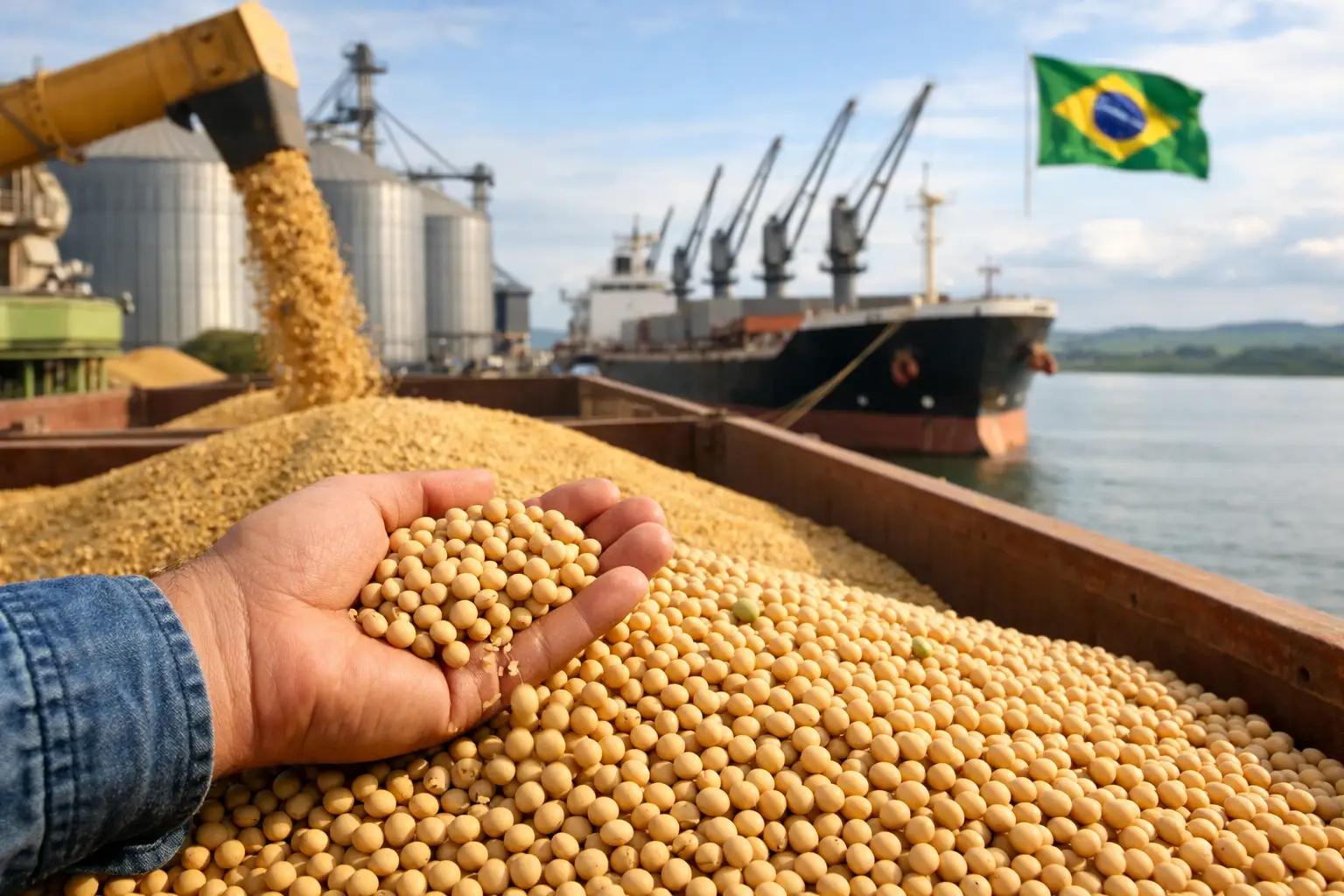
A bulk soybeans exporter from Brazil is not simply a source of cargo. For importers, processors, feed manufacturers, commodity traders, and distributors, the exporter becomes part of the supply chain that protects production schedules, inventory availability, customer commitments, and margin performance. The right partner provides more than competitive pricing. It provides clarity on product quality, shipment readiness, documentation, and delivery coordination from origin to destination.
Brazilian soybeans are a major procurement option for buyers seeking dependable volume from one of the world’s leading agricultural producers. However, origin alone does not remove commercial risk. Buyers still need an exporter that can communicate clearly, verify specifications, coordinate logistics responsibly, and respond when shipment requirements change.
Why Buyers Choose Brazilian Soybeans in Bulk
Brazil has the scale, farming capability, and export infrastructure to serve high-volume international soybean demand. Bulk Brazilian soybeans are used across animal feed production, food processing, oil extraction, trading operations, and other commercial applications where continuity of supply matters.
For many buyers, the main advantage is access to substantial exportable volume. This can support regular procurement programs, seasonal inventory planning, and long-term supply arrangements. Brazilian sourcing can also give importers an alternative origin when they are managing market exposure, regional supply fluctuations, or changing customer demand.
The commercial value depends on the individual transaction. Harvest timing, port congestion, inland transport, freight availability, exchange rates, and destination requirements can all affect the final landed cost. A capable exporter helps buyers evaluate those variables early rather than treating them as surprises after a purchase order is placed.
What to Expect From a Bulk Soybeans Exporter From Brazil
A reliable bulk soybeans exporter from Brazil should make the transaction easier to manage at every stage. That starts with a practical understanding of the buyer’s needs: required volume, quality parameters, packaging or bulk loading preference, destination port, shipment window, and documentation requirements.
Product consistency is central to the relationship. Commercial buyers need confidence that the agreed soybean grade and condition will be checked before shipment. Quality control should address the factors relevant to the contract, such as moisture, foreign material, damaged beans, and other agreed specifications. The correct standard is not identical for every buyer, so the exporter should confirm expectations before cargo preparation begins.
Communication is equally important. International commodity procurement involves several moving parts, from supplier coordination and warehouse handling to vessel schedules and customs documents. Buyers should expect timely updates when cargo is being prepared, when shipment timing is confirmed, and when documents are available for review. Transparent communication supports better planning at the receiving end of the supply chain.
Volume Planning and Shipment Terms
Bulk soybean purchases should begin with realistic volume planning. A buyer may need a one-time shipment for a specific production cycle, recurring loads for a distribution program, or a longer procurement arrangement tied to forecasted demand. These needs affect how the exporter approaches sourcing, scheduling, and delivery planning.
Shipment terms should be discussed in clear commercial language. The parties need alignment on the delivery basis, loading point, destination, payment structure, inspection expectations, and document package. Small gaps at this stage can create larger problems later, particularly when multiple parties are involved in transportation, finance, and customs clearance.
An experienced exporter will not promise a fixed outcome without confirming availability and logistics. Agricultural commodities are exposed to market and operational conditions. The better approach is to provide accurate information, identify dependencies, and keep the buyer informed as the transaction progresses.
Quality Control Should Be Visible, Not Assumed
Soybeans may appear to be a standardized commodity, but buyers know that quality details influence processing efficiency, yield, storage performance, and resale value. A shipment that does not meet the agreed condition can lead to claims, delays, or losses well beyond the purchase price.
That is why quality control should be treated as a defined part of the export process. Before confirming an order, the exporter should understand the buyer’s required specifications and any destination-market restrictions. Before loading, the cargo should be reviewed against the agreed commercial terms. Where inspection or certification is required, the process should be organized early enough to avoid last-minute disruption.
Buyers should also ask how product traceability, lot handling, and document verification are managed. The level of detail may vary by contract size and destination, but the principle remains the same: procurement decisions are stronger when the supplier can explain how quality is monitored and documented.
Logistics Can Protect or Erase a Good Purchase Price
A low commodity price is only valuable if the product arrives as planned. Freight costs, port operations, loading schedules, container availability where applicable, and destination clearance can materially affect the outcome of a soybean transaction.
For this reason, buyers should evaluate an exporter’s logistics coordination alongside its pricing. The exporter should be able to discuss anticipated shipping windows, the appropriate loading method, documentary requirements, and the information the buyer will need for import clearance. This does not mean every shipment is free from external disruption. Weather, vessel changes, port delays, and regulatory procedures can affect international trade. It means the supplier has a process for communicating and managing those realities professionally.
A dependable export partner also recognizes that on-time fulfillment is tied to preparation. Confirming specifications, shipment terms, and documentation early gives both sides more control over the transaction. It also helps buyers plan warehousing, production runs, onward distribution, and customer deliveries with greater confidence.
Questions Commercial Buyers Should Ask Before Ordering
Before selecting a supplier, buyers should move beyond a general request for a soybean quote. The most useful conversations are specific. Ask whether the exporter can supply the required volume within the intended shipment period, which quality parameters can be confirmed, and how the cargo will be prepared for export.
It is also wise to clarify which documents will accompany the shipment and who is responsible for each stage of the export process. Depending on the destination and contract terms, buyers may require commercial invoices, packing information, certificates, bills of lading, inspection records, or other trade documents. Requirements differ by market, so importers should verify local rules with their own customs and compliance teams.
Finally, assess responsiveness. Commodity markets can move quickly, and operational questions often require prompt answers. A supplier that communicates clearly before the order is placed is more likely to remain engaged when schedules, quantities, or documentation need attention later.
Build a Procurement Relationship, Not Just a Shipment
For recurring buyers, the best soybean supply arrangements are built around planning and accountability. Consistent communication helps an exporter understand forecasted demand, preferred shipment patterns, quality expectations, and the buyer’s internal approval process. In return, the buyer gains a sourcing partner better positioned to support continuity as requirements develop.
Ruda Enterprise supports wholesale buyers seeking Brazilian agricultural commodities with a practical focus on quality, transparent coordination, competitive bulk supply, and worldwide delivery planning. For organizations sourcing multiple categories, working with one experienced export partner can also reduce supplier fragmentation and simplify procurement communication.
A successful bulk soybean purchase begins with a clear specification and ends with cargo delivered in line with the agreed commercial terms. Share your required volume, destination, shipment window, and quality expectations early, and give your supplier the information needed to plan a dependable shipment that supports your next business move.
